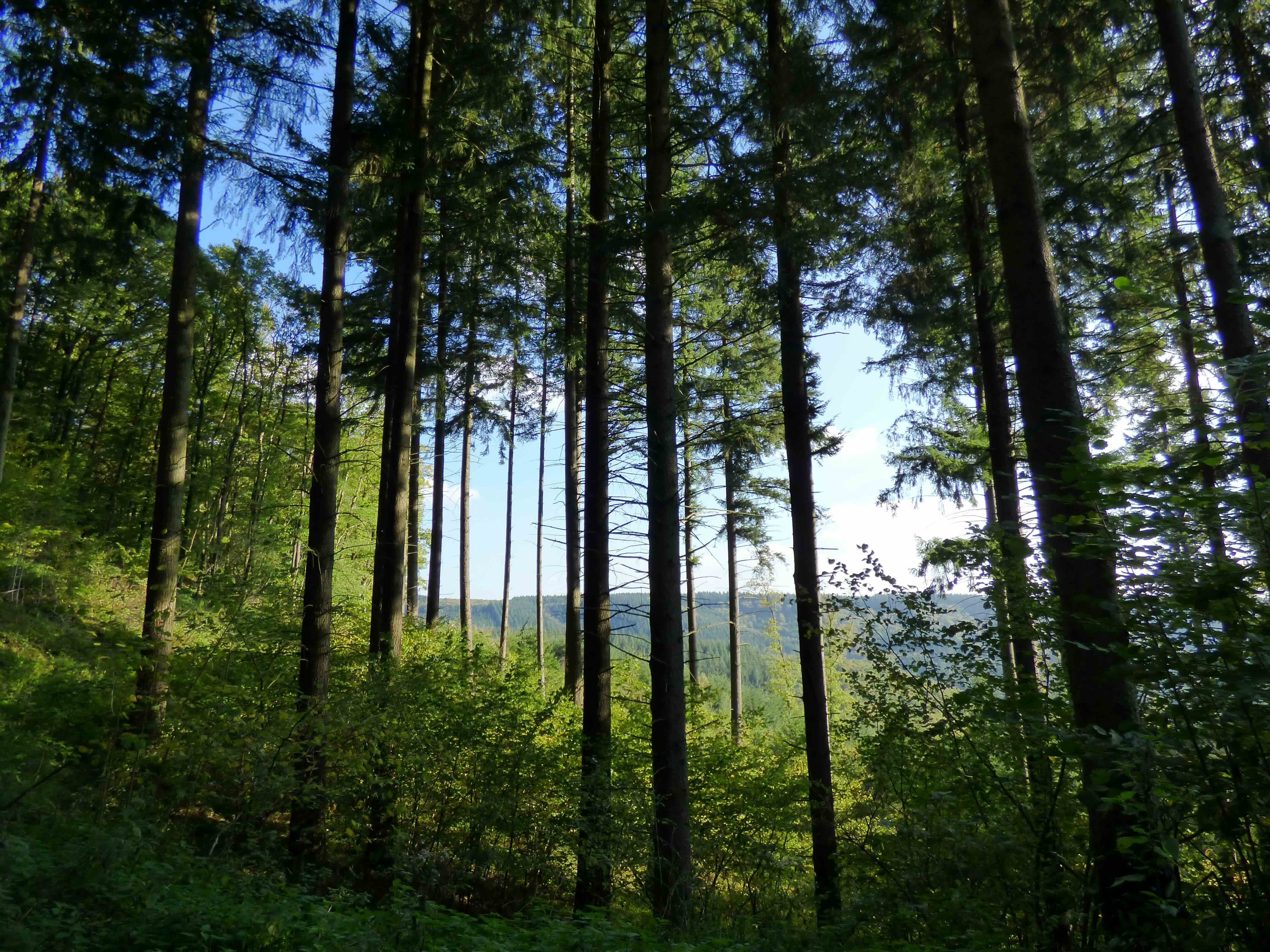
This project brings together
citizen science, ecological research, and experiential learning to explore ecosystems through observation. Built as a framework in which scientific methods and sensory experience complement each other, it allows participants to approach ecological processes not only through data collection, but also through attentive perception and field practice.
The project focuses on observation protocols inspired by ecological field studies and adapted for participatory use. By following a module of their choice participants can record a variety of indicators and contribute to a shared understanding of natural ecosystems while developing their own awareness of the relationships that shape them.
Through this approach, the project connects scientific inquiry with education, and spans from the cultural dimensions of human interaction with the environment to our connection with the more-than-human.
Acknowledging that contemporary challenges related to habitat degredation, and environmental insecurity stem from imbalances within a tightly interwoven socio-ecological fabric, the projects aspires to help deepen an ecological literacy of engagement.
The project can be used in educational contexts, workshops, and independent field activities, and is open to anyone interested in learning about forests through observation and participation.
Select a project to learn more
The following projects apply this approach to different ecosystems and themes.
Each project combines field observation, learning resources, and digital tools,
that guide participants through the activities and allow data recording.
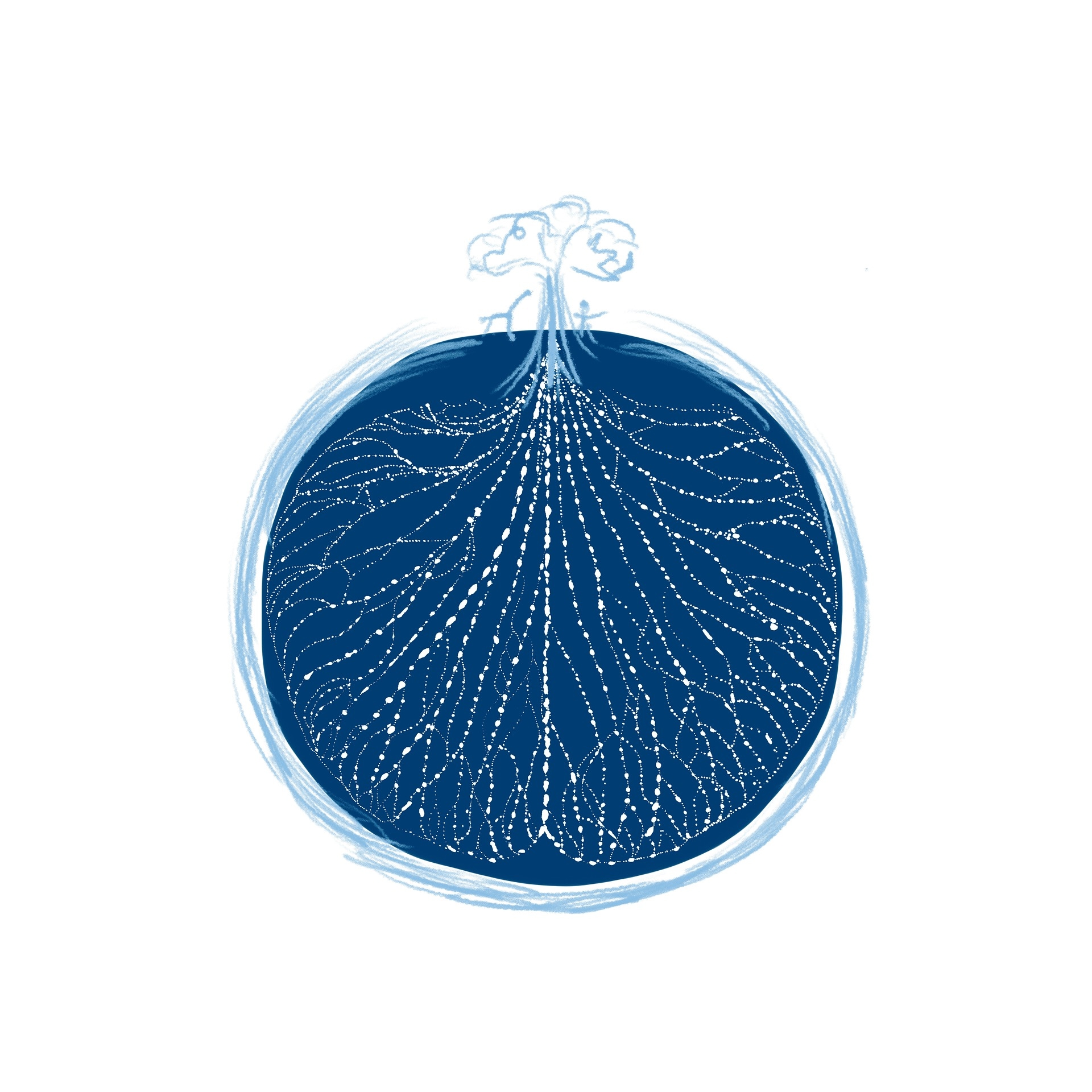
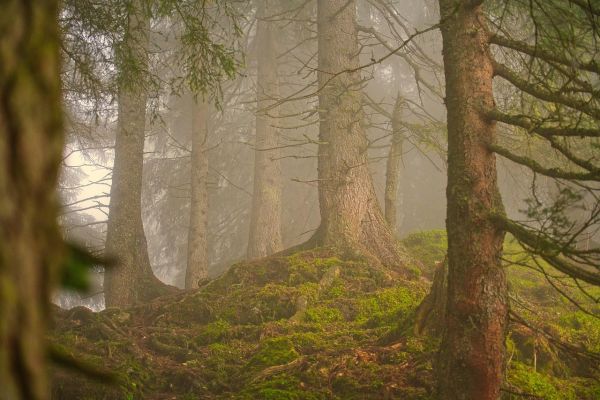
ForestLinx
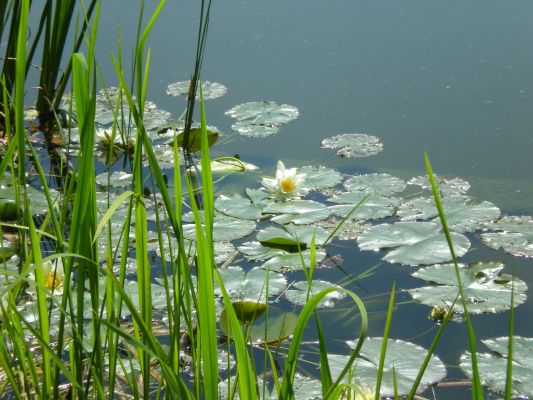
WaterLinx
Why Luxembourg
Luxembourg Forest and Water Systems
Luxembourg forest habitats and water bodies are varied, presenting a high ecological and cultural value. From beech-dominated woodlands, oak-hornbeam forests to riparian systems and conifer stand plantations history and management practices shape their evolution and resilience. The condition of small bodies of water in Luxembourg is changing rapidly, due to climate change, nutrient inputs, and human intervention. Addressing current forest and water management practices through a multidisciplinary approach is important for monitoring small scale ecosystems. Luxembourg forest habitats, are presenting a sharp decline in their phytosanitary state and vitality. With Sustainlinx, you can collect the data that is missing: on site, in your community, in your forest.