Forests as living systems
Forests are not a collection of trees, but complex and dynamic systems that are shaped by relationships, time and exchange.
This project invites you to observe carefully, think ecologically, and contribute meaningful data to understanding Luxembourg’s forest ecosystems.
It combines ecological research methods with experiential field observation and is organised as a series of observation modules. Each module focuses on specific indicators that help explore themes from forest health, and biodiversity structures to nutrient flows and nature connectedness. They can be followed individually or as a sequence, using the mobile application as a guide. Each one includes background information, and field protocols that allow documentation in a consistent way.
The activities combine sensory experience, careful observation, and simple scientific protocols. Gradually, the modules move from visible structures above ground to less visible processes that take place in the soil, or span over long periods of time and thus are hard to perceive.
The observations recorded during the activities can be used as part of citizen science datasets, while the experience itself helps develop a deeper understanding of how forest ecosystems function and how they respond to human influences.
Explore with the app [link to download]
Join the Citizen Science Program [link to citizen science]
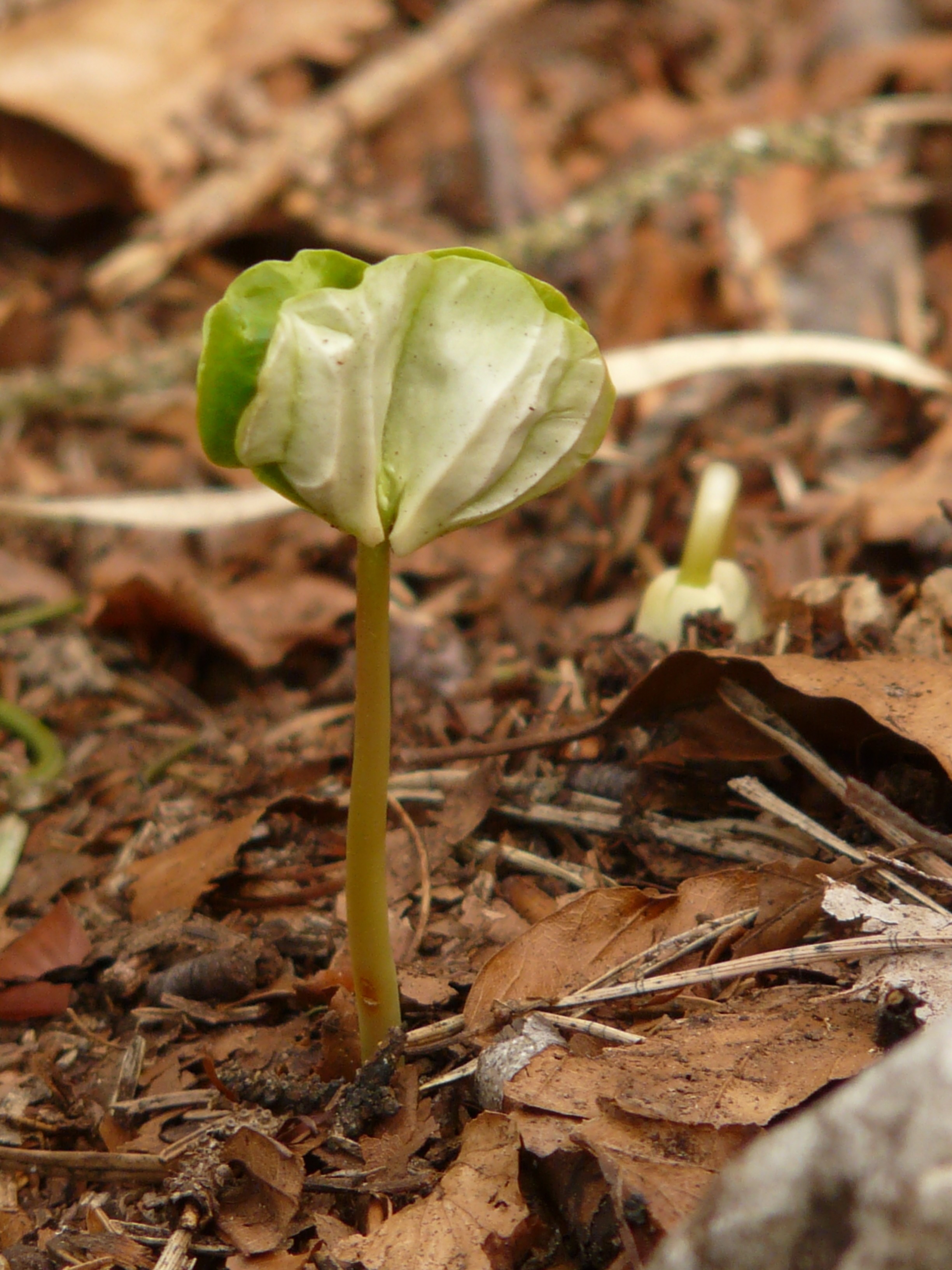
ForestLinx Modules
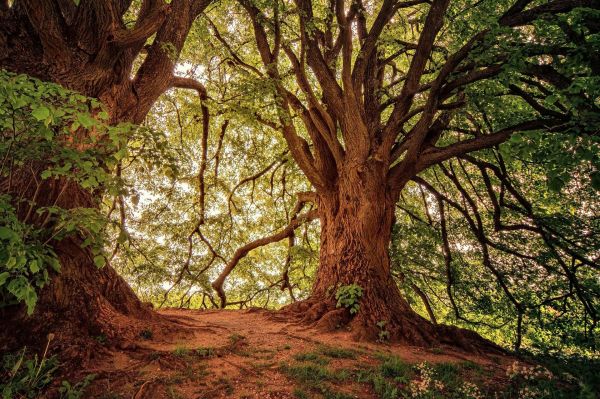
Forest health
When walking through a forest, we firstly notice trees as individual entities. However, forests are more than a number of trees growing together. Forests are shaped by a continuous movement and processes that evolve throughout space and time.The way trees grow, age and fall, all create space and influence the patterns of growth and resilience of this ecosystem. Their height, structure, cavities, broken branches or lichen and moss presence, create a complex architecture that supports many forms of life.
Over time these structures influence how a forest changes, how biodiversity unfolds and nutrients circulate through the forest.
All these elements provide information about forest health, habitat diversity and allow long-term predictions of ecological continuity and succession.
Learning to read these signs is one of the first steps in understanding how forest ecosystems function.
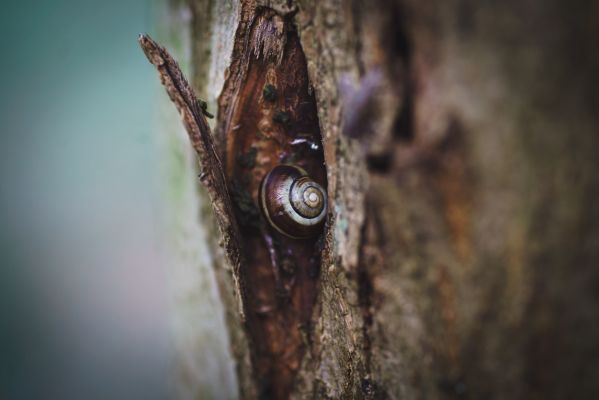
Forest Biodiversity
In a forest, life is woven not layered.
Fungi connect roots underground.
Insects facilitate pollination and decomposition. Mosses regulate moisture and signal time. Cavities formed decades earlier can provide shelter for birds and small mammals.
Biodiversity is not just numbers, but the pattern of relationships between species.
In Luxembourg, forests range from beech-dominated to mixed oak woodlands and riparian forests, each creating particular conditions of light, moisture and soil composition. As conditions vary, so does the composition of plants, fungi, animals, and microorganisms present. All these create communities that mutually interact and evolve over time.
Observing biodiversity means learning to notice these relationships and recognise forests a systems of many entangled and interconected lives. By observing which life forms are present and how they relate and interact with the forest landscape, we may understand the complexity and balance of this ecosystem.
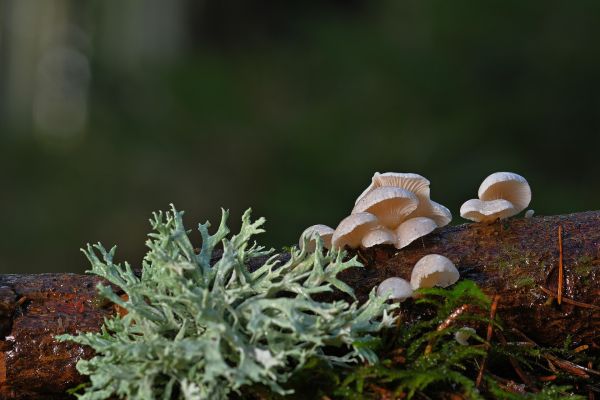
Carbon, Water, and Nutrient Flows
A forest is in continuous motion, even when it appears still. Water moves through the soil, leaves grow and fall becoming valuable litter material, wood slowly decays, and nutrients pass from one host to the other. Carbon, water, and minerals circulate through trees, fungi, animal life, and microorganisms in a constant flow. These flows, connect life above and below ground, and they allow the forest to renew itself over time.
By observing these processes, we begin to see the forest not only as a collection of living things, but as a system sustained by constant exchange and transformation.
Both forest health and human well-being depend on these flows that connect us all.
Observing the movement of carbon, water, and nutrients is therefore critical in helping us study how forests maintain their stability over long periods.
Human - Forest Relations
Human and more-than-human relations

Nature Connectedness
User awareness and experience
Häufige Fragen
Lorem ipsum dolor sit amet, consectetur adipisicing elit, sed do eiusmod tempor incididunt ut labore et dolore magna aliqua. Ut enim ad minim veniam, quis nostrud exercitation ullamco laboris nisi ut aliquip ex ea commodo consequat. Duis aute irure dolor in reprehenderit in voluptate velit esse cillum dolore eu fugiat nulla pariatur. Excepteur sint occaecat cupidatat non proident, sunt in culpa qui officia deserunt mollit anim id est laborum.